Inställningar
 Snabb leverans
 Fri frakt
 Incoterms
 Betalningstyper


 Marketplace-produkt

Control NEMA 17 Stepper Motor With A4988 Driver and Arduino
2026-05-18 | By Ron Cutts
License: GNU Lesser General Public License I2C / TWI Microcontrollers Motors Arduino ESP32
In this tutorial, we will use a stepper driver A4988, a NEMA17 stepper motor, an Arduino Uno, and Visuino to run a stepper motor for a certain number of steps.
Watch the video!
Learn more about Visuino: What is Visuino
What You Will Need
Arduino UNO (Or any other Arduino)
Visuino program: Download Visuino
The Circuit
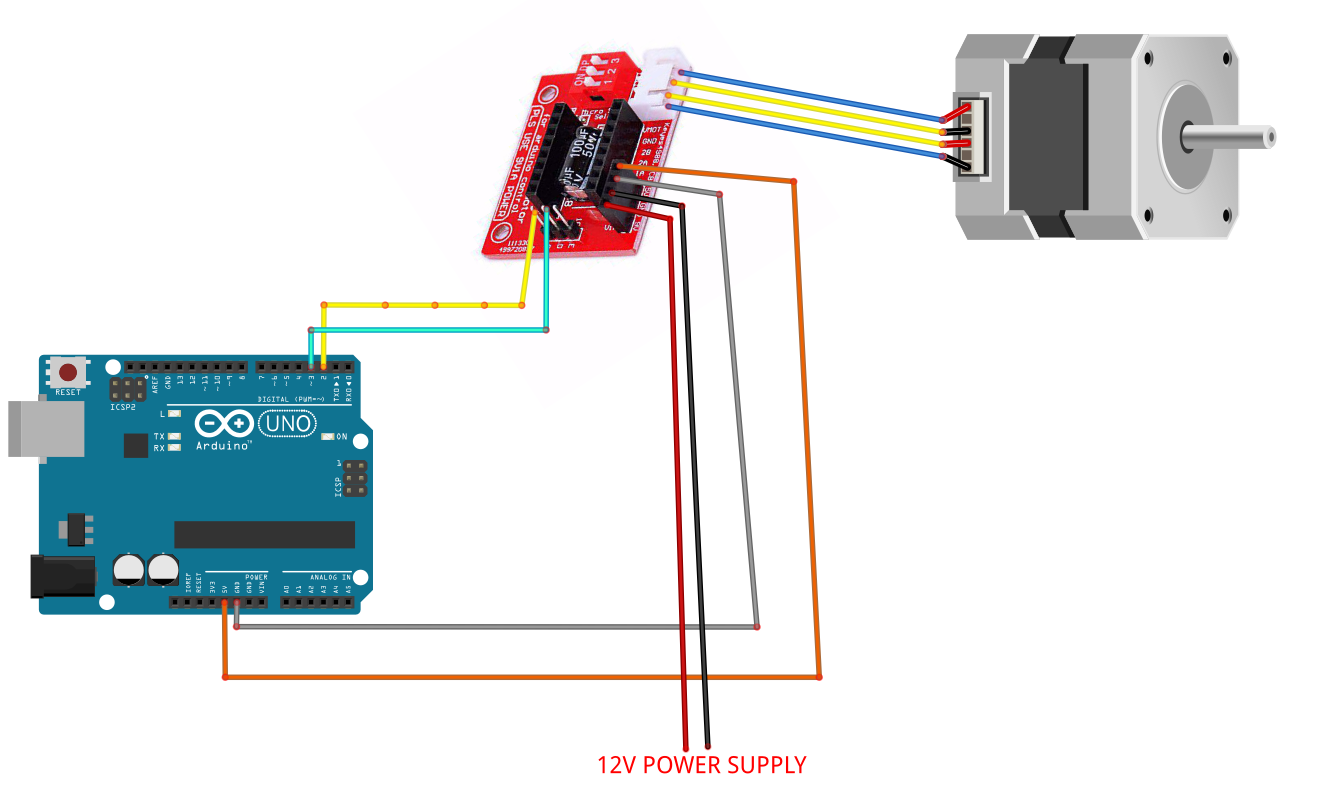
Arduino Digital Pin 2 will be used for the steps
Arduino Digital Pin 3 will be used for Motor Direction
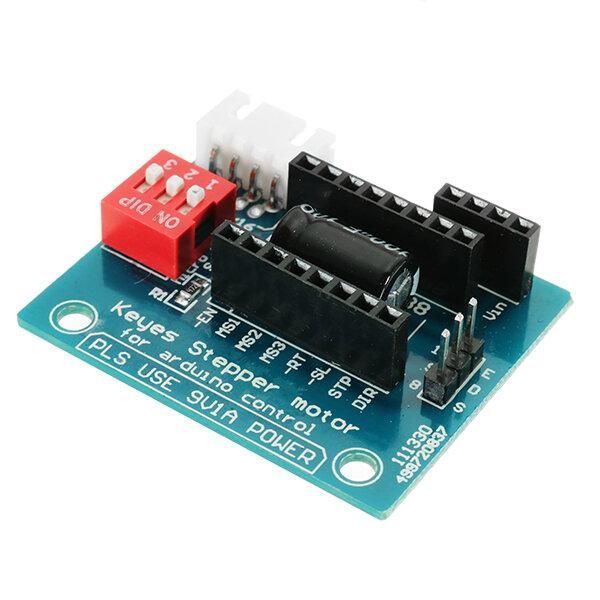
If using a Stepper Motor Driver Shield:
Connect the Motor Shield GND pin to the Arduino negative pin [GND]
Connect the Motor Shield [5V] pin to the Arduino positive pin [5V]
Connect the Motor Shield GND pin to the Power Supply negative pin [GND]
Connect Motor Shield [9V] pin to Power Supply positive pin [+]
Connect the Motor Shield pin[S] to the Arduino digital pin [2]
Connect the Motor Shield pin[D] to the Arduino digital pin [3]
Connect the stepper motor as shown in the picture.
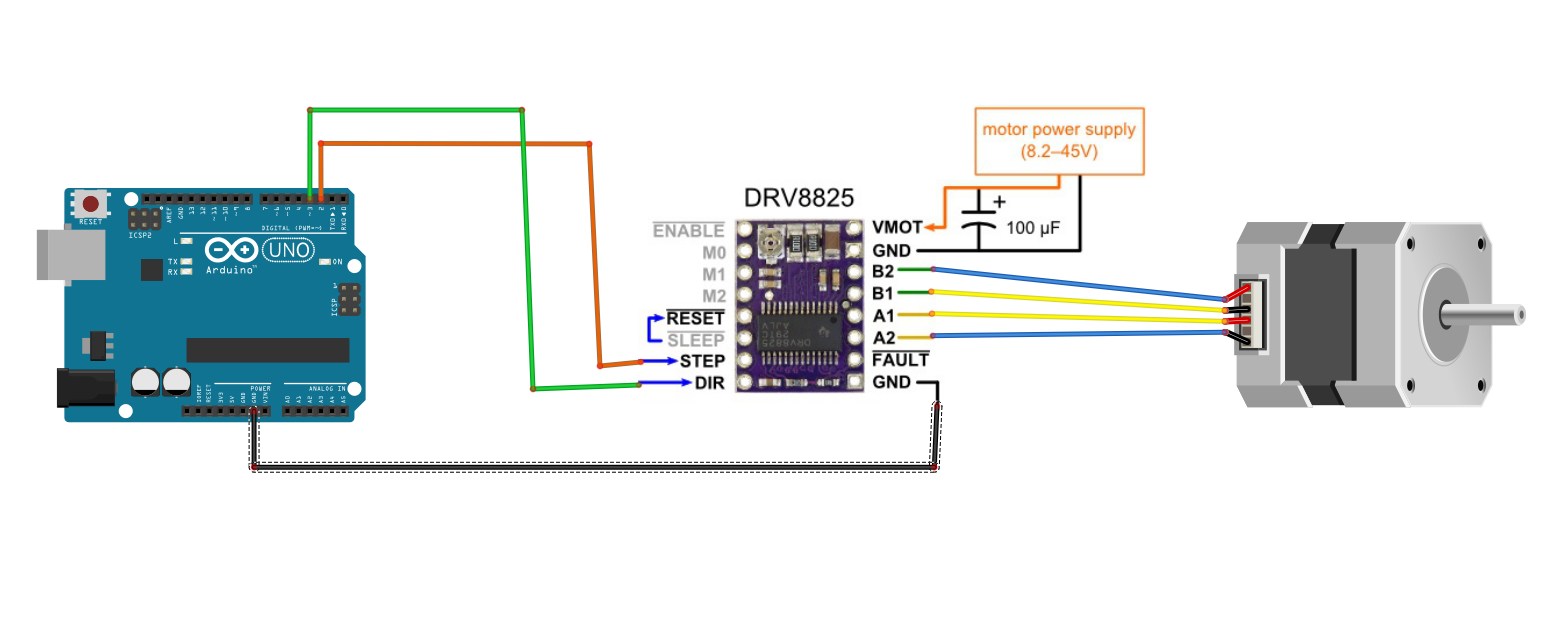
If using a Stepper Motor Driver 8825:
Connect the DRV8825 GND pin to the Arduino negative pin [GND]
Connect the DRV8825 DIR pin to Arduino digital pin [3]
Connect the DRV8825 STEP pin to Arduino digital pin [2]
Connect the Power Supply for the motor to the DRV8825 VMOT and GND
Connect the Capacitor across VMOT and GND
Connect the stepper motor as shown in the picture.
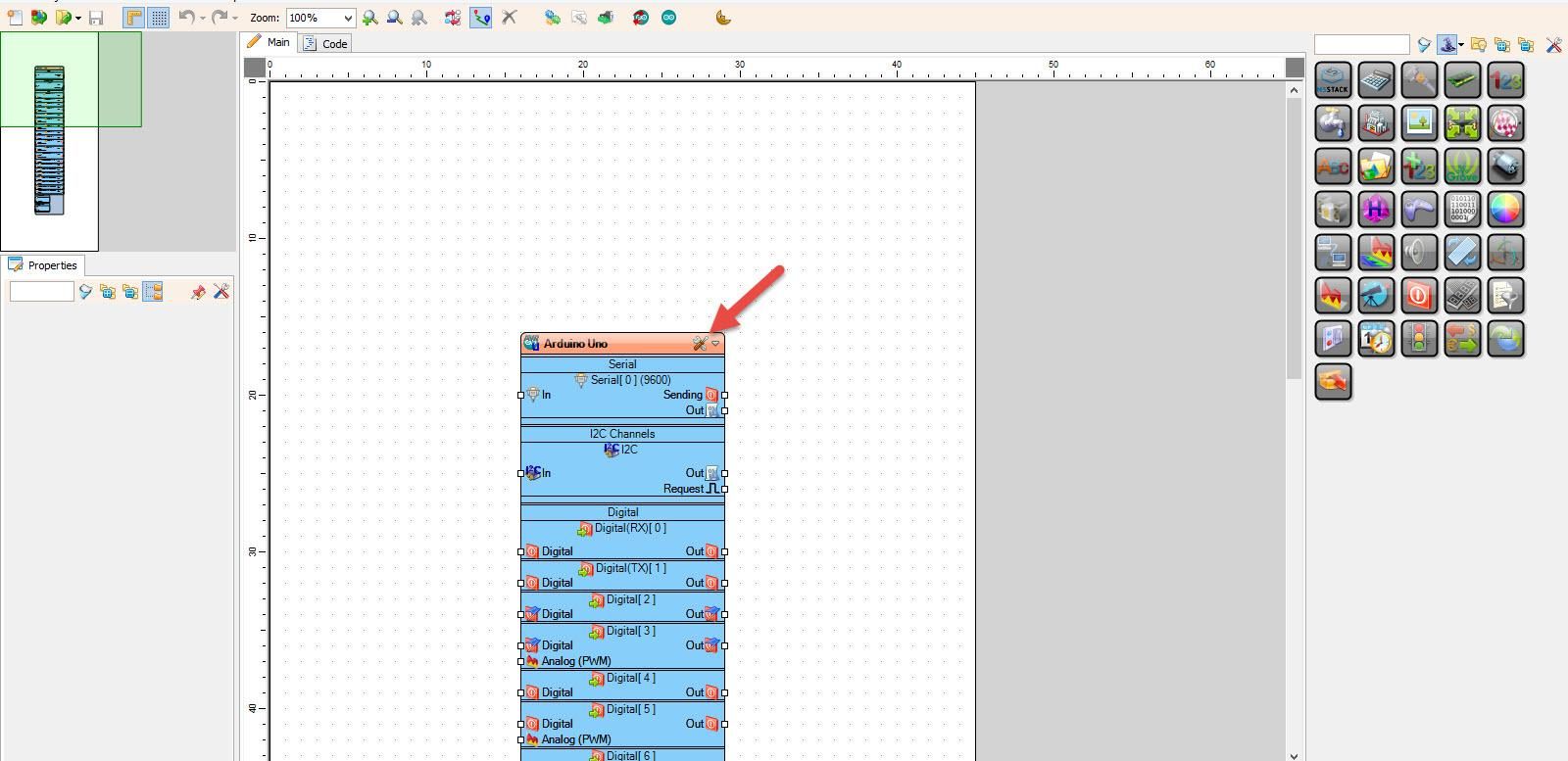
Start Visuino, and Select the Arduino UNO Board Type
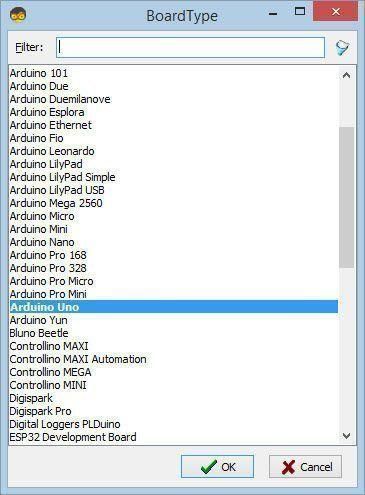
Start Visuino as shown in the first picture. Click on the "Tools" button on the Arduino component (Picture 1) in Visuino. When the dialog appears, select "Arduino UNO" as shown in Picture 2
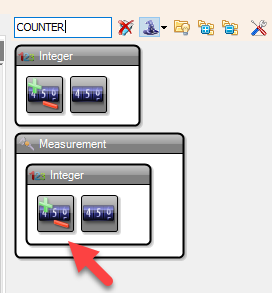
In Visuino, Add Components
Add "Counter" component
Add "Compare Integer Range" component
Add "Pulse Generator" component
Add "Digital Multi Source" component
Add "Toggle(T) Flip-Flop" component
Add "Digital (Boolean) Value" component
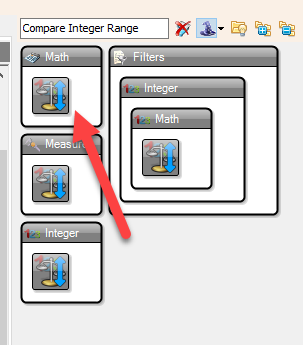
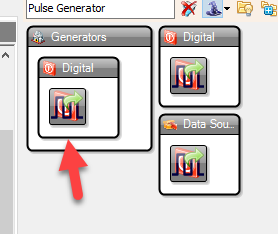
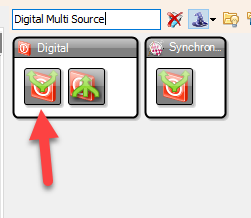
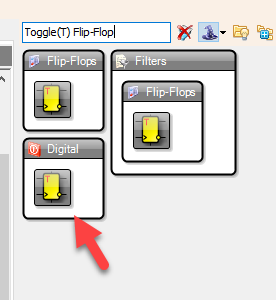
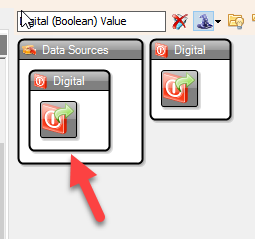
In Visuino Set Components
How to set the number of steps, for example, 20000 steps:
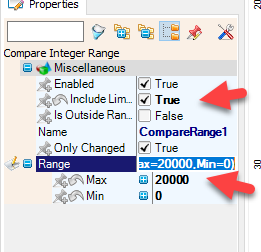
Select "CompareRange1" component and in the properties set "Include Limits" to True and "Range" > "Max" to 20000
This means that as long as the number is within the range of 20000, the Motor should run
How to set the Motor Direction:
To set the motor direction, the "Value" of the "DigitalValue1" in the properties window should be either True or False
How to set the Motor Speed:
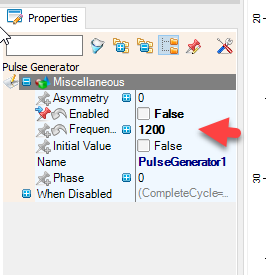
Select "PulseGenerator1" and in the properties window set "Frequency" to 1200 or less. You can set it to a higher number, but the motor might have problems spinning at that speed
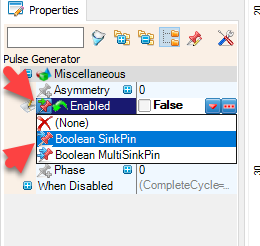
Select "PulseGenerator1" and in the properties window select "Enabled" and click on the Pin Icon and select Boolean SinkPin
In Visuino Connect Components
Connect "Counter1" Pin [Out] to "CompareRange1" Pin [In]
Connect "CompareRange1" Pin[Out] to "PulseGenerator1" Pin [Enabled]
Connect "PulseGenerator1" Pin[Out] to "DigitalMultiSource1" Pin [In]
Connect "DigitalMultiSource1" Pin[0] to "TFlipFlop1" Pin [Clock]
Connect "DigitalMultiSource1" Pin[1] to "Counter1" Pin [In]
Connect "TFlipFlop1" Pin[Out] to Arduino Board Digital Pin [2]
Connect "DigitalValue1" Pin[Out] to Arduino Board Digital Pin [3]
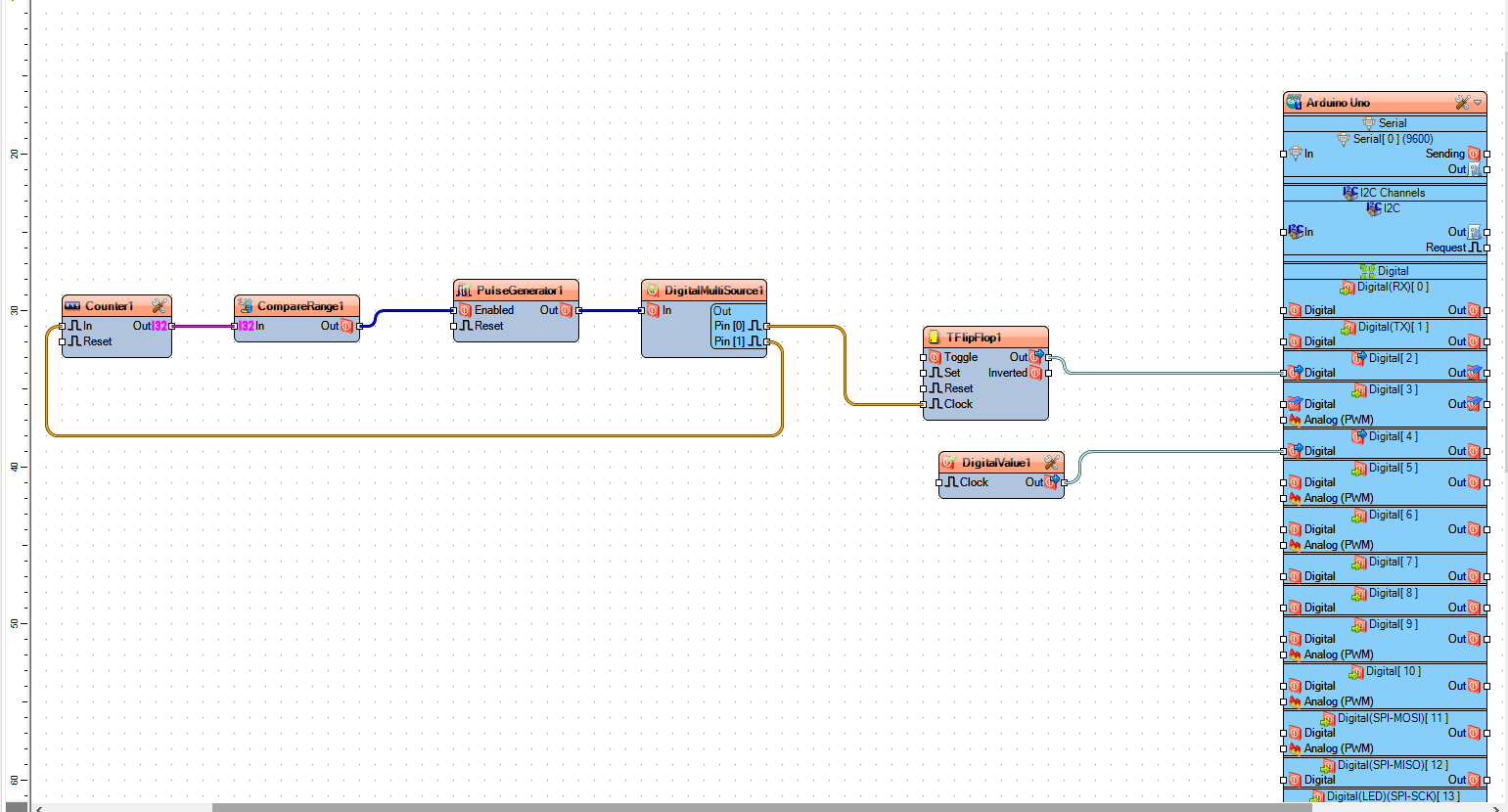
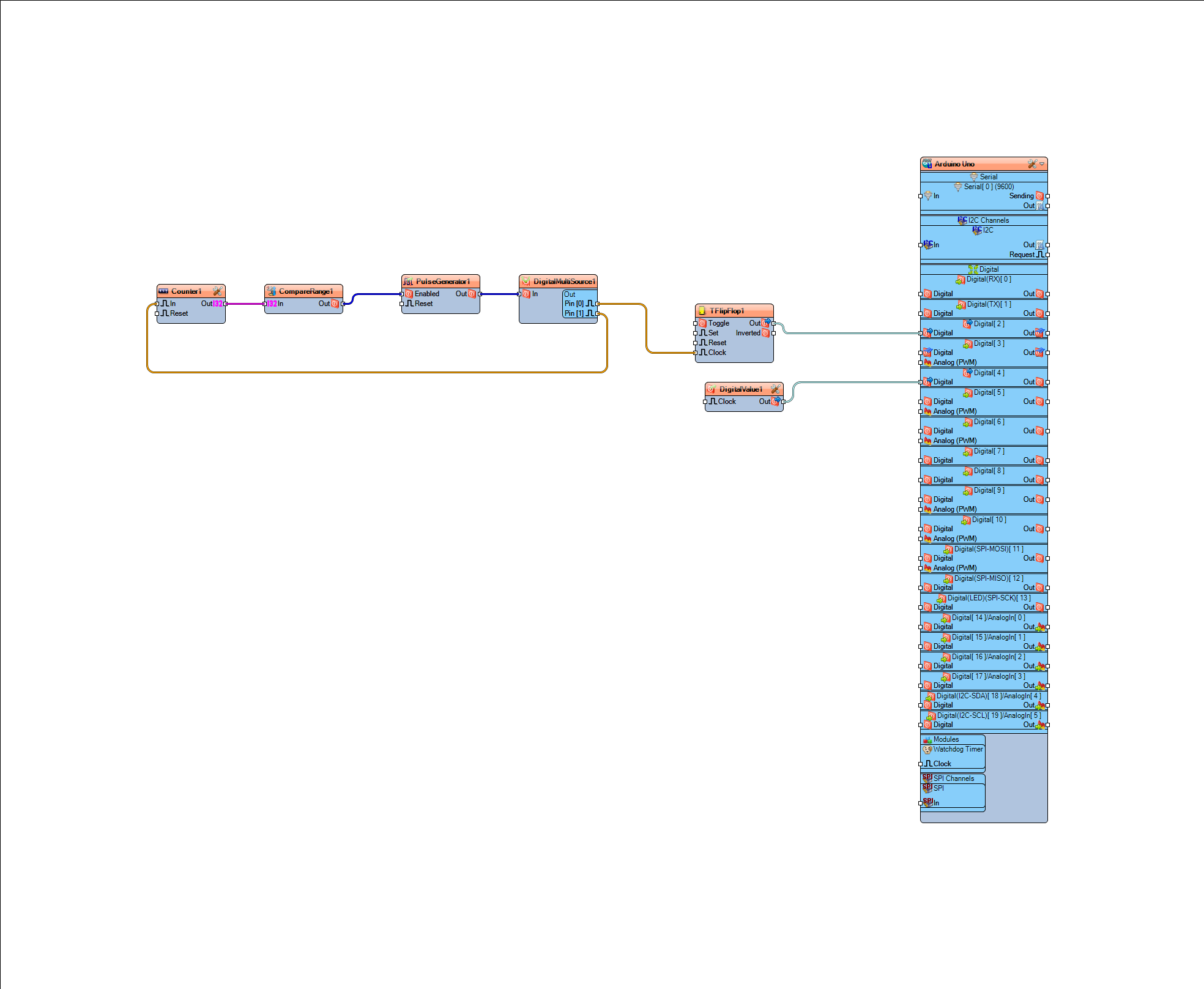
Generate, Compile, and Upload the Arduino Code
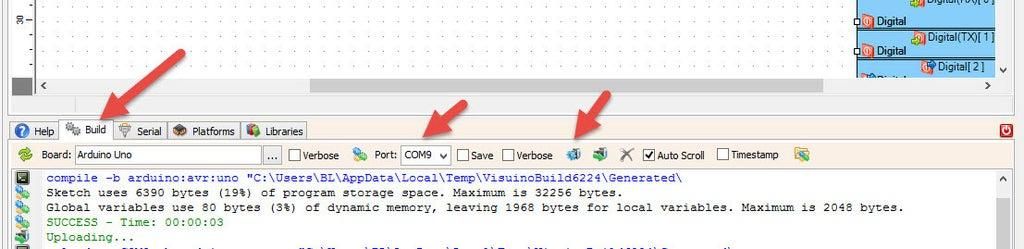
In Visuino, at the bottom, click on the "Build" Tab, make sure the correct port is selected, then click on the "Compile/Build and Upload" button.
Play
If you power the Arduino module, the motor will start to run, and when it reaches a certain number of steps, it will stop.
Congratulations! You have completed your project with Visuino. Also attached is the Visuino project that I created for this. You can download it here and open it in Visuino: https://www.visuino.eu