Inställningar
 Snabb leverans
 Fri frakt
 Incoterms
 Betalningstyper


 Marketplace-produkt

How Temperature Affects Electronic Components
2026-06-01 | By Shruti Garg
When I first started working on electronic projects, temperature was the last thing on my mind. I was so focused on getting my circuits to work, making sure the wiring was right, the code ran, and the sensors were giving me the right values.
But over time, I started noticing something: my circuits would work perfectly at times, but other times they wouldn’t. Even though the code was the same and the wires were set up the same way, I would still get different results.
That’s when I realized there were outside factors that were affecting the electronic components that I had to take into account.
When you think of temperature, you may think it is one of those extra factors that doesn’t matter much, but in reality, temperature can affect sensor accuracy, battery performance, voltage levels, and overall consistency. The tricky part is that these changes are so minuscule that they are easy to overlook, but big enough to cause confusion when things don’t behave the way you expect.
One of the first times I noticed this was when I was working on a sensor that relied on timing measurements. I thought I would get a consistent value every time, but instead, my results kept shifting slightly. Not enough to give me errors, but enough to consider what could be the reason, as every small shift in value can be an issue with bigger projects.
I would question if the wiring was incorrect or if my code was wrong, but everything was perfectly fine. That’s when I realized that the environment itself was changing my results.
How Does Temperature Affect Sensors?
Many sensors depend on physical properties that change with temperature; for example, resistance can increase or decrease, voltage outputs can shift slightly, and timing-based sensors can behave differently.
Even something like measuring distance with sound can be affected because temperature changes how fast sound travels through air. So if your sensor relies on timing, your readings may not be as stable as you think.
This is called sensor drift; it’s a very common error in sensors.
Resistors
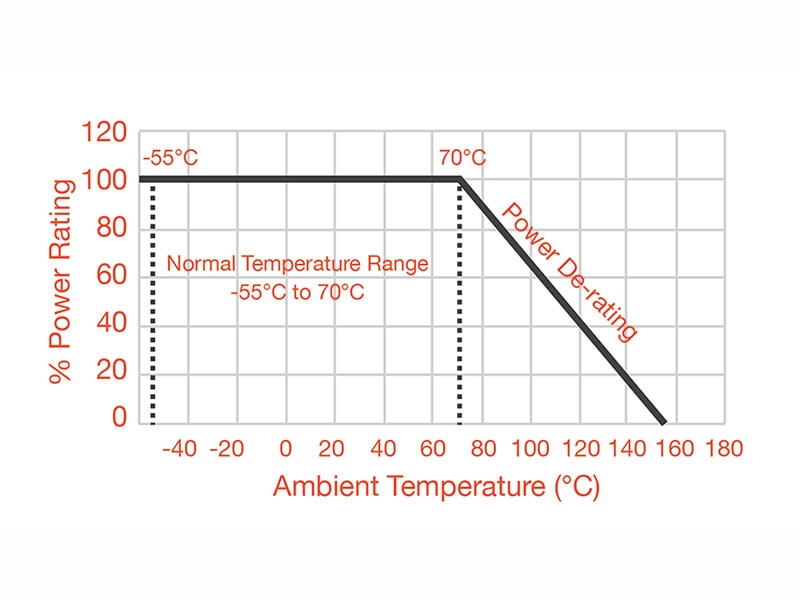
Resistors are not always exact. At first, I thought a resistor labeled 10kΩ would always be 10kΩ. But in reality, resistors have tolerances that change slightly with temperature (±5%).
In most beginner projects, these small changes are not usually a big deal. But in circuits where voltage matters, such as voltage dividers or analog readings, these small changes can affect your results.
Why Batteries Feel Unreliable Sometimes
If you have ever used battery-powered projects, you may sometimes notice that the battery is draining faster than expected. This is also where temperature plays a big role. In colder environments, batteries won’t be as efficient, and the voltage drops. In hot environments, batteries may perform slightly better for a brief moment, but the long-term health of batteries decreases.
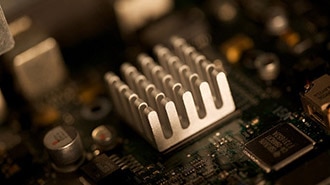
Heat Builds Up - Even in Small Circuits
After experimenting with these issues a few times, I started approaching problems differently.
Instead of assuming I made a mistake right away, I ask myself the following: Has the environment changed? Has the circuit been running long enough to heat up? Are my measurements slightly drifting over time?
Simple Habits That Help With Projects
Instead of overcomplicating things, a few small habits that go a long way are testing your circuit more than once; being aware of your environment; not assuming values are perfectly constant; and if readings seem slightly off, looking for patterns, not just errors.
In conclusion, temperature is one of those things that I didn’t think about until I had to. But once I started to notice its effects on the values, it changed how I debugged and designed circuits.
So instead of jumping to conclusions about wiring or code when you see values drift slightly, ask yourself if there are other factors that could be causing this. The more you build projects, the more you’ll realize that electronics are not black and white; you need to understand the environment they exist in as well.